Showing posts with label organic foods. Show all posts
Monday, August 8, 2011
dirty dozen
Did you notice that back in June the Environmental Working Group released their annual Dirty Dozen, Clean 15 list? I missed it! And honestly didn't really know that they update it on an annual basis. Just in case you are in the same boat, here are the new lists:
Dirty Dozen
These fruits and vegetables are those that carry the most pesticide residue. They are:
1. apples
2. celery (57 different pesticides used!?!)
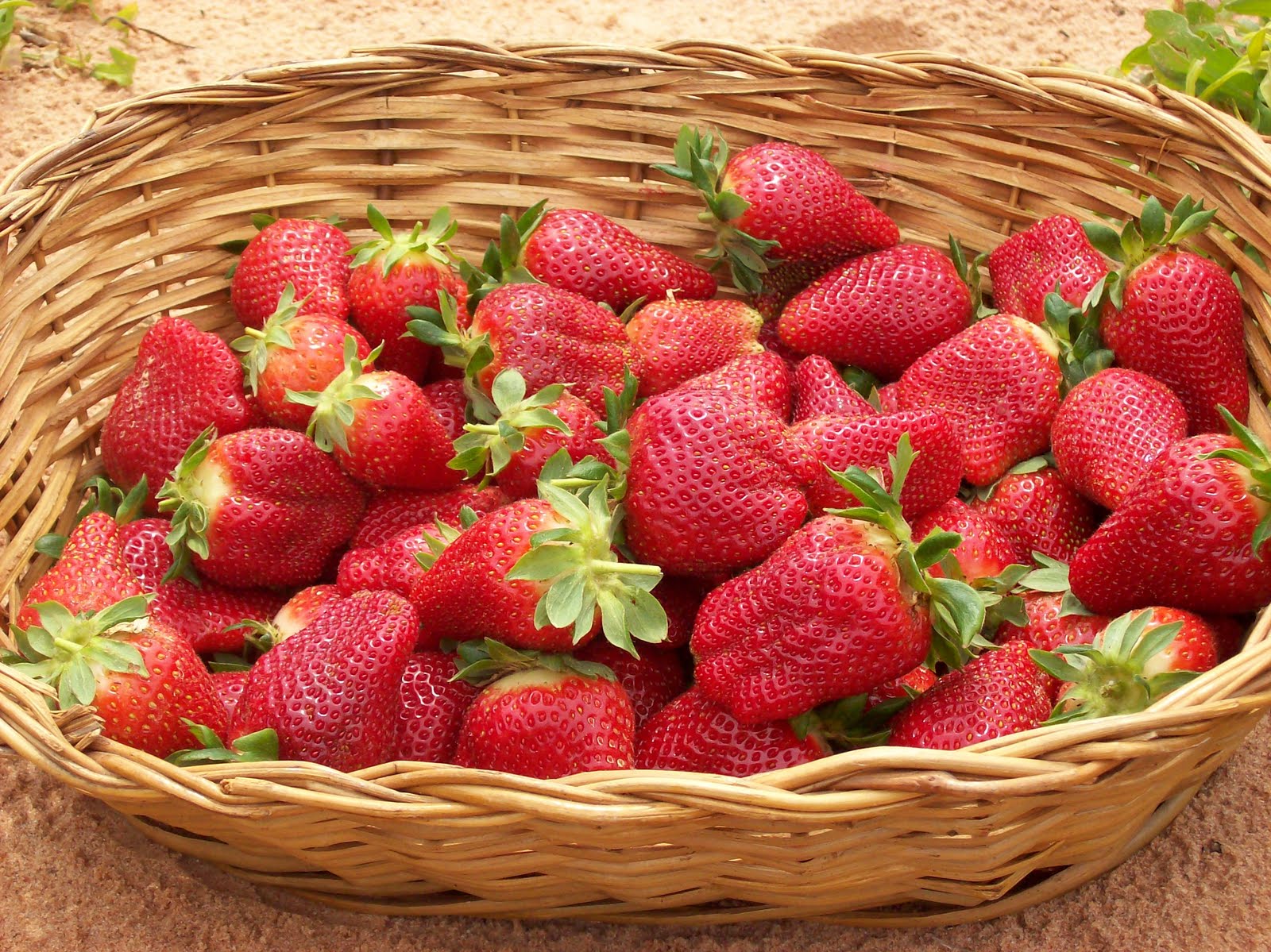
3. strawberries
4. peaches
5. spinach
6. imported nectarines
7. imported grapes
8. sweet bell peppers
9. potatoes
10. domestic blueberries
11. lettuce
12. kale/ collard greens
The Clean 15
These are fruits and vegetables with the least amount of pesticide residue:
1. onions
2. corn (I would still recommend organic in order to avoid GMOs)
3. pineapple
4. avocado (hallelujah)
5. asparagus
6. sweet peas
7. mangoes
8. eggplant
9. domestic cantaloupe
10. kiwi
11. cabbage
12. watermelon
13. sweet potatoes
14. grapefruit
15. mushrooms
Any surprises this year? Feeling relieved about any? I for one am happy to see avocados on the clean 15. I can't find those organically here and we really dig them!
Labels:
buy organic,
clean fifteen,
dirty dozen,
organic foods
Saturday, August 16, 2008
loop hole

i read some important news this morning on dr. mercola's (http://www.mercola.com/) website, and i wanted to pass it on. since the us govt. is not required to reveal if a food is genetically modified or not, this loop hole seems pretty invaluable to me. read on:
Although the U.S. does not require GMOs to be labeled, you can still find out whether or not your produce is genetically engineered, by looking at its PLU code. For example:
A conventionally grown product carries a 4-digit PLU code (Ex: conventionally grown banana: 4011)
An organic product carries a 5-digit code, starting with the number 9: (Ex: organic banana: 94011)
A genetically engineered (GE or GMO) product has a 5-digit code, starting with the number 8: (Ex: GE banana: 84011)
finally! a way to know about our produce! here is some additional info you may find helpful:
Of the 43 different fruit and vegetable categories tested, these 12 fruits and vegetables had the highest pesticide load, making them the most important to buy or grow organic:
Peaches
Apples
Sweet bell peppers
Celery
Nectarines
Strawberries
Cherries
Lettuce
Grapes (imported)
Pears
Spinach
Potatoes
Conventionally-grown strawberries, in particular, were found to be highly toxic due to a poisonous blend of pesticides in a previous 2007 EU study as well. (i'm reading this while munching on a bowl of conventionally grown strawberries- great.)
But be VERY careful as the list above is for fruits and vegetables. Non-organic meats have far higher concentrations of pesticides than all of the fruits and vegetables. And the highest concentration of pesticides is actually in non-organic butter.
So if you can only buy one organic food item it should be butter. Next priority would be meats and once those are addressed, you will want to focus on the fruit and vegetable list above.
let's see, the only organic veggies that my market carries off that list are spinach, lettuce, apples, and celery. what i wouldn't do for an organic strawberry! but really, that only gives me more incentive to grow my own. so here's the question for you experienced berry growers. will strawberries tolerate shade, or should they be full sun? i have a nice dappled sunlight area that i could fill, but i'm not sure if that would be best. i've never successfully grown strawberries before (and i 've tried many times!).
and of course, another shameless plug. support local growers! within 15 miles i can get locally grown organic produce (http://www.homesweetfarm.com/), raw dairy products, and several meat options (http://www.jolievuefarms.com/, http://www.oaksofmamre.com/, or the up and coming http://www.yonderwayfarm.blogspot.com/). seek out local growers in your area and support the modern hero- your local farmer!
Subscribe to:
Posts (Atom)